Skip to content
Quilt Patterns
The pass every pattern makes before it's posted.
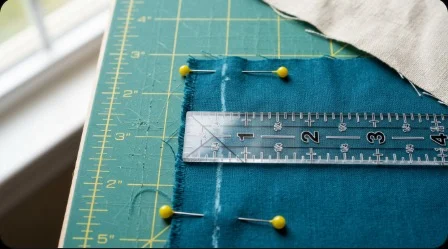
See the toolkitSeam allowance included or not
Checked on the pattern itself, not copied from the listing description.
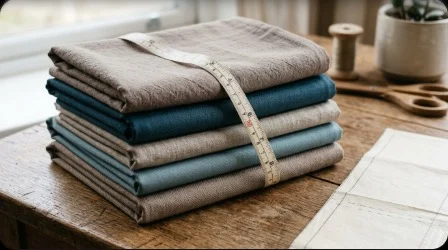
Fabric yardage by size
The exact amount a project needs, so a single fabric cut isn't wasted on a wrong-size piece.
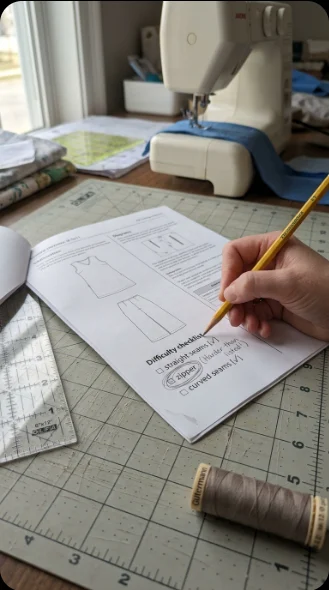
Honest difficulty rating
Whether a pattern is harder than its listing claims, based on opening it before recommending it.
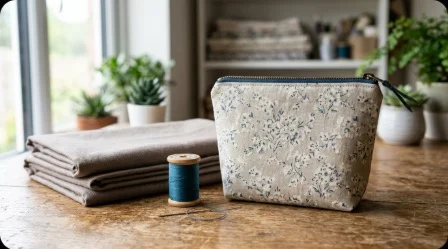
One-evening project picks
Projects sized to actually finish in a single sitting, not stall out on step four.
Notions checklist per pattern
Elastic, interfacing, zippers — the exact notions a pattern needs, listed before you cut, not discovered mid-seam.
Quilt Patterns FAQs
Does this pattern already include the seam allowance?
It varies by designer — some patterns print pieces with a 1/4" or 5/8" allowance built in, others expect you to add it. Check the pattern's cutting instructions before the first cut, not after.
How much fabric do I actually need for this project?
Buy 10-15% more than the pattern's stated yardage for your size — this covers pattern-matching, shrinkage from prewashing, and mistakes on a first attempt.
Why did my seam pucker after sewing?
Puckering usually comes from thread tension set too tight, not from the fabric or the stitch length. Test on a scrap of the same fabric before sewing the actual seam.
Is this pattern really beginner-friendly?
A true beginner pattern uses straight seams only and fewer than five pattern pieces. If a "beginner" pattern has curved seams or a zipper, it's better suited to someone past their first few projects.
Can I use a regular sewing machine for quilting?
Yes for piecing and most straight-line quilting — a walking foot helps feed thick layers evenly. Free-motion quilting is possible but slower without a machine built for it.
What can I make with fabric scraps too small for a garment?
Zipper pouches, coasters, and patchwork potholders all work from pieces as small as a fat quarter or less — check a project's minimum piece size before saving scraps for it.